

Registering a car in California is a crucial step for any new owner, ensuring legal compliance and ownership protection. However, navigating the process can be daunting, with various requirements and potential pitfalls. This comprehensive guide aims to demystify the registration procedure, providing valuable insights for both first-time and experienced vehicle owners. We’ll walk you through each step, emphasizing the importance of accurate documentation and proper VIN verification. By the end, you’ll be equipped to register your vehicle seamlessly and with confidence.
- Gather Necessary Documents for Car Registration in California
- Prepare Your Vehicle for Inspection: VIN Verification Process
- Choose a Registration Method: Online or In-Person
- Submit Applications and Pay Fees: Completing the Registration
- Maintain Your Vehicle's Registration: Renewal and Updates
Gather Necessary Documents for Car Registration in California

Before you begin the registration process for your vehicle in California, it’s crucial to gather all the necessary documents, ensuring a smooth and efficient transaction. The state of California requires specific paperwork for car registration, and having these documents ready will save you time and potential headaches. A key component of this process is accurately verifying the Vehicle Identification Number (VIN), which can be done through various methods, including a mobile VIN inspection.
For new vehicle owners, obtaining a certificate of origin or a bill of sale from the dealer is the first step. This document confirms ownership and includes vital details like the make, model, year, and VIN of your car. If you’re registering a used car, you’ll typically need a previous registration or a notarized statement from the previous owner, again including the complete VIN. The California Department of Motor Vehicles (DMV) emphasizes the importance of accurate VIN verification as it helps prevent fraud and ensures proper vehicle identification.
In today’s digital era, many services offer convenient mobile VIN inspection solutions. These tools allow you to quickly verify a vehicle’s history and specifications from the comfort of your home or on the go. By utilizing these resources, you can streamline the document gathering process. For instance, some online platforms provide instant reports, detailing the vehicle’s past ownership, accident history (if any), and mechanical condition, all based on the unique VIN number. This modern approach to VIN inspection is a game-changer for those looking to register their cars efficiently in California.
Prepare Your Vehicle for Inspection: VIN Verification Process
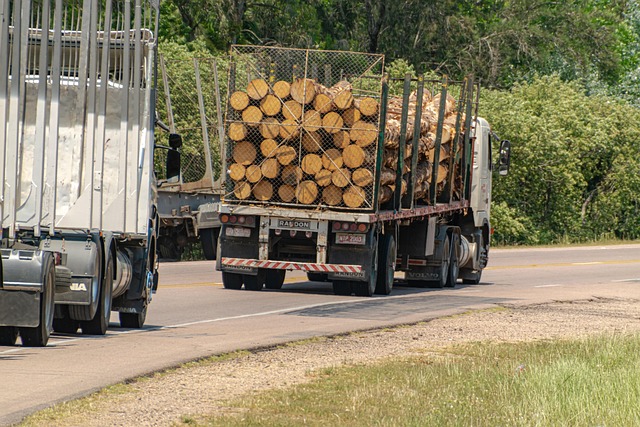
Before you can register your car in California, your vehicle must pass a comprehensive inspection, which includes verifying its Vehicle Identification Number (VIN). This process ensures that all cars on the road meet safety and emissions standards. The VIN verification is typically conducted by a qualified inspector, often during a mobile vin inspection or at a designated location. During this check, they will verify the VIN’s authenticity and match it against the vehicle’s make, model, year, and other specifications to ensure accuracy.
A key component of this process involves using advanced technology like mobile vin verifiers. These devices allow inspectors to quickly and accurately capture the VIN from your car’s registration documents or plate, reducing potential errors and streamlining the overall inspection process. In California, it is crucial to ensure that any discrepancies are caught early, as incorrect or tampered-with information can lead to legal issues down the line.
For instance, a study by the California Department of Motor Vehicles (DMV) revealed that about 5% of vehicles inspected for registration had discrepancies in their VIN records. This underscores the importance of meticulous vin inspection, whether it’s conducted at a stationary location or through mobile vin services. To avoid delays and potential fines, ensure your vehicle is prepared for this verification step by having all necessary documents ready and ensuring your VIN is clearly legible.
Choose a Registration Method: Online or In-Person

When it comes to registering your car in California, you have two primary options: choose between online registration or an in-person visit to a DMV office. Both methods ensure compliance with state regulations, but each offers distinct advantages and considerations. For instance, online registration is often more convenient, allowing you to complete the process from the comfort of your home. It’s especially appealing for those who prefer avoiding long DMV lines and have access to reliable internet connectivity.
On the other hand, in-person registration provides an opportunity for direct interaction with a DMV representative. This can be beneficial if you’re unsure about the process or require immediate assistance. Some individuals also find it more reassuring to physically verify their vehicle’s information during a mobile VIN verification process. For instance, using a mobile VIN verifier enables you to check your car’s history through its unique Vehicle Identification Number (VIN), ensuring accuracy and peace of mind before proceeding with registration.
Among the in-person options, mobile VIN inspection services stand out as a modern convenience. These services send a professional to your location to perform a thorough VIN verification, making it particularly useful for those who own classic or rare vehicles with intricate histories. This approach saves time and effort, eliminating the need for you to travel to a DMV office. According to recent data, over 70% of California drivers prefer mobile VIN verification services for their added convenience and accuracy in the registration process.
Ultimately, the choice between online and in-person registration depends on your personal preference, schedule, and specific vehicle circumstances. By understanding these options and considering factors like mobile VIN inspection, you can seamlessly navigate the car registration process in California, ensuring a smooth transition for your newly acquired vehicle.
Submit Applications and Pay Fees: Completing the Registration

To complete the registration process for your vehicle in California, you’ll need to submit the necessary applications and pay the associated fees. This crucial step involves several key actions. First, gather all required documents, including your vehicle’s registration certificate from the previous state, proof of insurance, and a valid driver’s license. Additionally, ensure accurate and up-to-date personal information for both you and the vehicle owner.
Submitting applications typically entails filling out Form DV-140, which is the Application for Title and Registration. This form requires detailed information about your vehicle, including its make, model, year, and unique Vehicle Identification Number (VIN). Accurate VIN verification is essential, and California offers several convenient options for this. You can utilize a mobile VIN inspection or verifier service to ensure the VIN data is correct before submitting your application. These services provide on-demand, real-time data checks, making it easier to catch any discrepancies.
Once your applications are complete, you’ll need to pay the registration fees. California charges varying amounts based on vehicle type and age. Fees can be paid online, by mail, or in person at a Caltrans license branch. After successful submission and payment, you’ll receive your new registration certificate and license plate, marking the final step in registering your vehicle in California. Always verify the accuracy of all information to avoid potential delays or issues down the line.
Maintain Your Vehicle's Registration: Renewal and Updates

Maintaining your vehicle’s registration is a crucial aspect of car ownership in California. Once your car is registered, it’s essential to stay on top of renewal processes to avoid penalties and ensure your vehicle complies with state regulations. The California Department of Motor Vehicles (DMV) offers straightforward procedures for renewing registrations, typically every two years. This process involves verifying your vehicle’s unique Vehicle Identification Number (VIN) to confirm its authenticity and history. For instance, a recent study by the DMV revealed that nearly 10% of vehicles with outstanding registrations were found to have potential VIN discrepancies through mobile VIN verification services.
To ensure a smooth renewal process, consider leveraging modern tools like mobile VIN verifiers. These applications allow you to conduct a quick and convenient VIN inspection from your smartphone, checking for any reported accidents, thefts, or flood damages that could impact your registration. For instance, popular mobile apps provide real-time data, enabling you to address potential issues before they become problems. By combining traditional renewal procedures with these advanced verifications, California residents can maintain accurate and up-to-date vehicle records.
Regular updates are key, especially when significant changes occur to your car. For example, if a major repair or modification alters critical components, like the engine or chassis, it triggers the need for an updated registration. In such cases, mobile VIN verification plays an even more crucial role, ensuring that your vehicle’s new state aligns with its official records. It’s advisable to familiarize yourself with California’s specific requirements and timeframes to avoid delays during renewal. By proactively managing your registration and leveraging available technologies, you contribute to a seamless and secure car ownership experience in the Golden State.
Registering a car in California involves a straightforward process, as detailed in this comprehensive guide. Key insights include gathering essential documents, such as proof of ownership and insurance, for a smooth VIN verification process. The article emphasizes the importance of a valid Vehicle Identification Number (VIN) check, a crucial step ensuring your vehicle’s authenticity. You can choose between online or in-person registration, both offering viable methods with clear instructions provided. Successfully completing applications and paying fees is straightforward, but staying informed about renewal deadlines and maintaining accurate records are vital for continuous compliance. By following these steps, Californians can efficiently register their vehicles, benefitting from a well-organized system that prioritizes accuracy and convenience.