
Registering a car in California is a vital process, ensuring legal compliance and providing proof of ownership. However, navigating the requirements can be confusing for new vehicle owners. This comprehensive guide aims to demystify the process, offering step-by-step instructions tailored to the Golden State’s regulations. We’ll delve into crucial aspects like preparing necessary documents, conducting a Vehicle Identification Number (VIN) verification, and understanding fees. By following these expert-backed strategies, you’ll efficiently navigate California’s registration process, ensuring your vehicle is legally recognized on the state’s roads.
- Prepare Necessary Documents for Car Registration
- Visit Your Local California Department of Motor Vehicles (DMV) Office
- Complete the Application Process: Vehicle Registration Form
- Provide Proof of Insurance and Vehicle Inspection
- Finalize Registration with VIN Verification and Payment
Prepare Necessary Documents for Car Registration

To register your car in California, preparing the necessary documents is a crucial first step. The process involves gathering both standard and unique paperwork, such as proof of ownership, insurance, and identification. One critical document that requires special attention is the Vehicle Identification Number (VIN) verification. This unique code serves as a fingerprint for your vehicle and is essential for accurate registration and title transfer. In California, you can facilitate this process with a mobile VIN inspection or verification service, making it more convenient than ever.
When preparing for car registration, consider leveraging modern solutions like mobile VIN inspection services. These services send a technician to your location to perform a thorough VIN verification using specialized equipment. This approach is particularly beneficial if you’re dealing with classic cars or have encountered issues obtaining the required documents from previous owners. For instance, according to the California Department of Motor Vehicles (DMV), having a valid mobile VIN inspection can expedite the registration process by eliminating the need for an in-person visit to a DMV office.
Additionally, ensuring your vehicle’s history is clean and well-documented is paramount. A mobile VIN verification not only confirms the vehicle’s make, model, year, and other specifications but also checks for any reported accidents or outstanding issues. This process is straightforward; the technician will input the VIN into a database to retrieve detailed information, including the vehicle’s past owners, maintenance records, and any reported damage. By utilizing these services, you can rest assured that your car registration process will be as smooth as possible, adhering to California’s stringent requirements with ease.
Visit Your Local California Department of Motor Vehicles (DMV) Office

Registering a car in California involves several steps, but visiting your local California Department of Motor Vehicles (DMV) office is a crucial one. This physical interaction ensures that all necessary paperwork is accurately completed and provides an opportunity for immediate clarification on any issues. When you arrive at the DMV, bring all required documents, including proof of ownership, vehicle identification number (VIN) verification, and identification with a current address.
For convenience, many California residents opt for mobile VIN verification services. These tools allow you to obtain a digital copy of your vehicle’s history report, which includes crucial details like the VIN number, previous owners, and any reported accidents or damages. A mobile vin verifier can streamline this process significantly, ensuring that your VIN inspection is swift and accurate—a benefit especially if you’re purchasing a used car. Remember, a proper VIN verification is essential for identifying potential issues early in the registration process.
DMV staff will guide you through each step, verifying your vehicle’s details against state records. They may request additional documentation or conduct on-site inspections to ensure compliance with California’s vehicle standards. During this time, it’s beneficial to ask questions and understand any fees associated with registration, including taxes and title transfer charges. This proactive approach ensures a smooth process and helps avoid delays later. Many DMV offices also offer online services for some registration tasks, providing added flexibility for busy individuals.
Complete the Application Process: Vehicle Registration Form
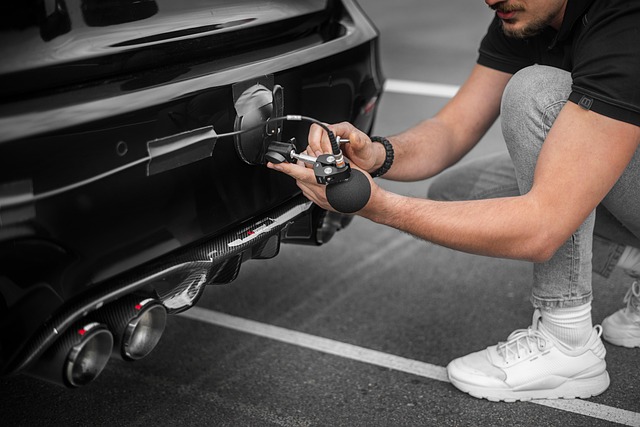
To complete the registration process for your vehicle in California, you’ll need to accurately fill out the Vehicle Registration Form. This form requires meticulous attention to detail, especially when it comes to verifying the Vehicle Identification Number (VIN). The VIN is a unique code that identifies your car and plays a crucial role in ensuring accurate registration. Always ensure your VIN is verified through a reliable source; mobile VIN verifiers can be helpful here as they offer convenient, on-the-go inspections.
Start by obtaining the necessary documentation. This includes proof of ownership, typically a title or bill of sale, along with valid identification for you and any listed drivers. Ensure that all information matches precisely to avoid delays. The form asks for detailed vehicle specifications—make, model, year, and color—so double-check these details. If there are any discrepancies, it might lead to issues during the VIN verification process, which can be performed using a mobile VIN verifier to ensure accuracy.
Next, calculate and remit the required fees. California has specific fee structures based on vehicle type and age. You can usually pay online or at designated service centers. Once all documents are in order and fees are paid, submit your application. The California Department of Motor Vehicles (DMV) will process it and issue a registration card. It’s advisable to keep this document handy for future reference and proof of registration. Regular updates and accurate VIN inspections using mobile verifiers can help ensure a smooth registration experience every time.
Provide Proof of Insurance and Vehicle Inspection

Registering a car in California involves several crucial steps, and one of the most critical is providing proof of insurance and ensuring your vehicle passes an inspection. This process is designed to uphold safety standards and safeguard financial responsibility for all road users. For many, the primary challenge lies in obtaining accurate Vehicle Identification Number (VIN) verification, a step that demands meticulous attention to detail.
Proof of insurance is not just a formality; it’s the cornerstone of financial responsibility laws. California requires drivers to carry liability insurance covering property damage and bodily injury. During registration, you’ll need to present a valid insurance card or proof of coverage from your insurer. This documentation verifies that you have met the state’s minimum requirements for financial responsibility. Additionally, many counties in California now accept mobile vin verifiers, allowing you to complete this crucial step conveniently. These mobile devices enable on-site VIN inspection and verification, ensuring that the vehicle matches the insurance policy attached to it.
Vehicle inspection is another vital component of the registration process. The state requires a safety and emissions test for most vehicles. This inspection checks critical components like brakes, lights, tires, and pollution control systems. In California, mobile vin inspection services have become increasingly popular due to their efficiency and convenience. These services bring the inspection to you, whether at your home or office, saving time and effort. For instance, a study by the California Motor Vehicle Association found that over 70% of drivers preferred mobile inspections for their simplicity and flexibility.
To ensure a smooth registration process, it’s advisable to gather all necessary documents before starting. This includes your vehicle’s registration, title, insurance information, and identification. By proactively addressing proof of insurance and VIN verification requirements with the aid of mobile vin verifiers or inspectors, you can streamline the process and avoid potential delays or complications. Remember, compliance with these regulations not only facilitates a seamless registration but also contributes to safer California roads for all.
Finalize Registration with VIN Verification and Payment

After gathering all necessary documents and passing the vehicle inspection, the next critical step in registering your car in California is finalization through VIN verification and payment. The Vehicle Identification Number (VIN) serves as a unique fingerprint for your car, making VIN verification a crucial process to ensure authenticity and compliance with state regulations. This involves cross-referencing the VIN against manufacturer records to confirm the vehicle’s make, model, year, and options—a critical step in preventing fraud and ensuring proper registration.
In California, you can complete this verification through various methods, including traditional static inspection stations or innovative mobile vin verifier services. Mobile vin inspectors provide a convenient option, coming to your location to perform real-time VIN checks, eliminating the need for you to travel. This service is particularly beneficial in urban areas with high vehicle traffic, where accessing inspection stations might be challenging. The California Department of Motor Vehicles (DMV) recognizes these mobile services, making them an acceptable means of fulfilling VIN verification requirements.
Once your VIN has been successfully verified, it’s time to proceed with the payment process. This typically involves a fee for registration and, in some cases, additional charges for optional features or late fees if there are any outstanding issues. It’s advisable to review the total cost breakdown before finalization to ensure you’re aware of all expenses. Many states, including California, offer online payment options for added convenience, allowing you to complete the registration process from the comfort of your home or on the go using a mobile device.
Registering a car in California involves a straightforward yet meticulous process, as detailed in this comprehensive guide. Key takeaways include ensuring all necessary documents are prepared, completing the Vehicle Registration Form at your local DMV, providing proof of insurance and vehicle inspection, and finally, undergoing VIN verification for accurate registration. By diligently navigating these steps, residents can ensure their vehicles are legally registered, enhancing safety and access to California’s roads. This authoritative guide provides practical insights, making the registration process efficient and hassle-free.