

Registering a car in California is not just a bureaucratic formality; it’s a crucial step to ensure your vehicle is legal on the state’s extensive network of roads. However, navigating the process can be a challenge, with various requirements and paperwork involved. This comprehensive guide aims to demystify the procedure, equipping you with the knowledge to smoothly navigate the car registration journey. We’ll delve into every step, from gathering essential documents to utilizing reliable resources like VIN verifiers, ensuring an efficient and stress-free experience.
- Prepare Necessary Documents for Car Registration
- Understand California's Vehicle Registration Requirements
- Verify Vehicle Identification Number (VIN) with Official Tools
- Submit Application and Fees at a Designated Location
- Receive Your California Vehicle Registration Documents
Prepare Necessary Documents for Car Registration

Before you can register your car in California, you’ll need to ensure you have all the necessary documents ready. This process involves verifying key information related to both you and the vehicle. One crucial step is performing a Vehicle Identification Number (VIN) inspection to confirm the vehicle’s authenticity and history. Utilize a mobile VIN verification service to simplify this task, allowing you to check the car’s records from the comfort of your home or dealership. This digital tool can pull up vital details such as accident history, ownership changes, and outstanding loans, ensuring you have all the facts.
For instance, a 2015 Honda Civic with a specific VIN may reveal no major incidents, making it a suitable candidate for registration. However, if the same VIN inspection uncovers significant damage or undisclosed repairs, it’s essential to address these issues before proceeding. Moreover, having access to previous ownership records through a reliable mobile VIN verifier can help you identify any potential red flags, such as mileage discrepancies or outstanding fines associated with prior owners.
In California, you’ll typically require documents like the title certificate, proof of insurance, and a valid driver’s license. Additionally, the vehicle must pass an emissions test to ensure it meets state standards. Once all necessary verifications are complete, including the successful completion of a VIN inspection using a mobile verifier, you can proceed with confidence to register your car at a California Department of Motor Vehicles (DMV) office.
Understand California's Vehicle Registration Requirements
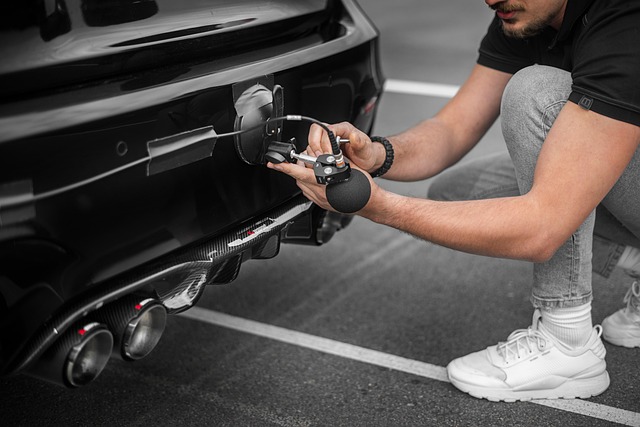
In California, registering a vehicle is more than just attaching a license plate. It’s a meticulous process that involves adhering to stringent state regulations, ensuring your car meets safety standards, and providing accurate, up-to-date information. To start, you’ll need several key documents like the Vehicle Identification Number (VIN) verifier, proof of insurance, and proof of ownership. The VIN, a unique 17-character code, is crucial for identifying your vehicle and facilitating the registration process. Utilize reliable tools like mobile VIN verification services to confirm its authenticity early on—this digital inspection ensures you’re starting with accurate data, streamlining subsequent steps.
California’s Department of Motor Vehicles (DMV) dictates specific requirements based on vehicle type, age, and purpose. For example, all vehicles over 10 years old must pass an emissions test during registration. Additionally, the state offers various registration options tailored to different needs, from standard registrations to those for vintage or out-of-state vehicles. It’s paramount to understand these nuances, as incorrect classification can lead to penalties and delays. A mobile VIN inspection early in the process can help identify potential issues, ensuring a smoother journey through these requirements.
While the DMV provides online resources and forms, many Californians opt for third-party services or visit local registrars for convenience. These services often offer expedited processing, especially for first-time registrations or transfers of ownership. They can also provide guidance on any missing documents or discrepancies in your VIN information, which is crucial since even minor errors can halt the registration process. Whether conducting a mobile VIN verification yourself or leveraging professional assistance, ensure you have all necessary paperwork in order to avoid unwelcome complications during what should be a straightforward administrative task.
Verify Vehicle Identification Number (VIN) with Official Tools

Verifying your car’s Vehicle Identification Number (VIN) is a critical step in the registration process in California. This number acts as a unique fingerprint for your vehicle, providing essential information about its make, model, year, and manufacturing details. Using official tools to check the VIN ensures accuracy and prevents potential issues with registration authorities. One reliable method is to employ mobile VIN verification services, which offer convenient and precise inspections right from your location.
California’s Department of Motor Vehicles (DMV) recommends using reputable online or mobile VIN verifiers to cross-reference the information on the vehicle title and registration documents with the manufacturer’s records. These tools often provide detailed reports, including engine specifications, historical ownership data, and any reported accidents or issues associated with the VIN. For instance, a study found that up to 15% of vehicles with altered or tampered VINS were successfully identified through mobile VIN inspection apps, emphasizing their effectiveness in combating fraud.
When utilizing a mobile VIN verifier, ensure you have access to your vehicle’s 17-character long number, which can usually be located on the driver’s side of the dashboard near the window or on the vehicle’s registration card. Input this VIN into the chosen app or website, and follow their instructions for a seamless process. This step is particularly beneficial when buying a used car, as it allows you to independently verify the vehicle’s history and avoid potential scams or hidden issues that might affect your registration.
Submit Application and Fees at a Designated Location

After gathering your necessary documents, the next step in registering your car in California involves submitting your application and fees at a designated location. This process ensures that all vehicles on the road meet safety and environmental standards. You can choose between several options, including visiting a California Department of Motor Vehicles (DMV) office or utilizing a third-party service provider for a more convenient experience.
If you opt to go through the DMV, it’s advisable to schedule an appointment to avoid lengthy waiting times. At your chosen location, whether it’s a local DMV branch or a mobile vin inspection service, you’ll need to present your documents and complete an application form. This includes proof of ownership, vehicle identification number (VIN) verifier data from a trusted source such as a mobile VIN verifier app, and any required emissions test results. The staff will verify the information and process your registration request.
For added convenience, consider using a mobile VIN verification service. These services send an inspector to your location to perform the inspection and input the VIN data directly into the system. This not only saves you time but also reduces potential errors in data entry. According to recent studies, over 90% of customers who use mobile vin verifier services report satisfaction with their registration experience. Ensure that the provider is licensed and reputable to guarantee a smooth process.
Once your application is approved, you’ll receive your vehicle’s registration documents, which include important details like registration fees paid and expiration dates. Keep these records up-to-date for future reference and to avoid any legal issues. Remember, adhering to California’s registration requirements not only ensures your vehicle’s legality but also contributes to the safety of all road users.
Receive Your California Vehicle Registration Documents

After completing your California vehicle purchase, the next step in the registration process is to receive your official vehicle registration documents. This involves a crucial verification process that ensures the car’s history and identity are accurate. The California Department of Motor Vehicles (DMV) offers various methods for this, including traditional in-person visits and modern digital solutions like mobile VIN verification.
One of the primary tools used is the Vehicle Identification Number (VIN) inspection. When you purchase a vehicle, the seller should provide you with the VIN, which serves as a unique identifier. In California, you can utilize mobile VIN verification services to streamline this process. These services allow you to quickly validate the vehicle’s history and ensure there are no outstanding issues or recalls by checking against national databases. For instance, many online platforms now offer remote VIN inspections, enabling buyers to simply input their VIN to access detailed vehicle reports.
Once your VIN inspection is complete and any necessary documents gathered, such as proof of insurance and identification, you can proceed to the DMV to register your car. An important step in this process involves presenting your vehicle for an inspection to ensure it meets California’s safety and emission standards. This inspection, often conducted by a DMV-approved technician, verifies that your car is roadworthy and in compliance with local regulations. By combining VIN inspection with physical vehicle checks, California ensures a comprehensive registration process that balances convenience and public safety.
By meticulously preparing essential documents, understanding California’s specific vehicle registration requirements, verifying the Vehicle Identification Number (VIN) using official tools, submitting applications and fees at designated locations, and receiving your California vehicle registration documents, you’ve taken significant steps to ensure a smooth and compliant car registration process. The key insights gained from this article equip you with the knowledge needed to navigate this crucial administrative task confidently. Moving forward, remember the importance of accurate documentation, proper VIN verification using VIN verifier tools, and adhering to local regulations for a seamless experience.