

Registering a car in California is a vital process ensuring legal operation on state roads. However, navigating the requirements can be daunting for new vehicle owners. This comprehensive guide aims to demystify the process, empowering individuals to confidently register their vehicles with ease. We’ll detail the step-by-step procedures, from gathering essential documents to ensuring accurate VIN verification. By following this authoritative approach, you’ll gain the knowledge to successfully navigate California’s registration process, securing your vehicle’s legal status and peace of mind.
- Prepare Required Documents for Car Registration
- Visit Your Local California DMV Office
- Complete Application Forms for Vehicle Registration
- Conduct VIN Verification for Accurate Data Entry
- Pay the Necessary Fees and Receive Your Registration Papers
Prepare Required Documents for Car Registration

Before you can register your car in California, it’s crucial to gather all necessary documents for a smooth process. This step is often overlooked but can save you valuable time and potential headaches later. Key among these documents is the Vehicle Identification Number (VIN) verification, which serves as a unique fingerprint for your vehicle. In California, this process can be streamlined through mobile VIN inspection services that provide accurate, immediate results, making registration more convenient than ever.
For instance, many auto shops or specialized mobile VIN verifier services can conduct remote VIN verifications using advanced technology and databases to match the provided VIN with the vehicle’s make, model, year, and other critical specifications. This step is essential as it prevents registration errors and ensures the car’s history is accurately reflected in official records. Additionally, having a mobile VIN inspection done can save you from the hassle of visiting a DMV office or waiting in line.
Once your VIN is verified, other required documents include a valid driver’s license, proof of insurance, and possibly a title certificate if you’re the owner. It’s worth noting that some out-of-state vehicles might require additional forms or documentation to comply with California’s regulations. Keep these documents readily available during the registration process to avoid delays caused by missing information.
Practical advice includes creating digital copies (or scans) of all important documents and storing them in a secure folder on your cloud storage for easy access if needed. This proactive step can be invaluable, especially when dealing with bureaucracy or unexpected situations that may arise during the car registration process.
Visit Your Local California DMV Office

Registering a car in California involves several steps, and one crucial step is visiting your local California DMV office. This in-person visit is essential for ensuring that your vehicle complies with state regulations and that all necessary paperwork is processed accurately. During this visit, you’ll need to present key documents, pass a vehicle inspection, and undergo a Vehicle Identification Number (VIN) verification process.
The VIN, a unique 17-character code, serves as the car’s fingerprint and plays a vital role in identifying your vehicle. To ensure the legitimacy of your vehicle, many California DMV offices now require a VIN inspection. This involves scanning the VIN to check against national databases for any reported thefts or fraud, ensuring that you’re registering a legitimate vehicle. Some offices might even allow for a mobile VIN verification using apps or services that connect to these databases, making the process more convenient and efficient.
When visiting your local DMV, be prepared with documents such as proof of ownership, registration history, and insurance. If you’ve recently purchased a car, ensure that the title is in your name, and bring along any documentation related to the previous owner or dealership. Additionally, if you’re replacing a lost or damaged registration, verify that you have the necessary forms from the DMV website to streamline the process.
Consider using a mobile VIN inspection service for added convenience. These services often provide on-site VIN verifications, saving you time and effort while ensuring that your car’s registration meets California’s stringent requirements. With these steps in mind, you’ll be well on your way to successfully registering your vehicle in The Golden State.
Complete Application Forms for Vehicle Registration

Completing application forms for vehicle registration is a crucial step in the process of registering your car in California. These forms require accurate and comprehensive information about both you as the owner and your vehicle. One critical element that often gets overlooked but significantly impacts this process is Vehicle Identification Number (VIN) verification. Ensure your VIN is legitimate and accessible through reputable sources, such as mobile VIN verifiers, which can be used for a quick and convenient inspection.
A common misconception is that any car dealer or mechanic can provide an accurate VIN check; however, these services might not always be reliable. Opting for a trusted mobile VIN inspector ensures the authenticity of your vehicle’s history. These inspectors carry specialized tools to cross-reference your VIN with various databases, providing instant access to detailed information, including previous owners, maintenance records, and any reported accidents or recalls—all vital data that can affect registration.
When filling out the application forms, have your mobile VIN verification report ready. Match the VIN from your vehicle with the one on file, as discrepancies may delay the registration process. Double-check all other information against your documents, including proof of insurance, identity, and ownership transfer if applicable. An error in any section could lead to additional delays or even rejection, so meticulous attention is paramount.
Conduct VIN Verification for Accurate Data Entry

Registering a car in California involves meticulous data entry, with every detail demanding scrutiny to ensure accuracy. One of the most critical steps is conducting a Vehicle Identification Number (VIN) verification, which serves as a linchpin for the registration process. This process ensures that the information associated with the VIN matches the vehicle’s characteristics, protecting both consumers and regulatory bodies from fraudulent activities. A mobile VIN inspection or mobile VIN verifier can significantly streamline this process by offering on-site, real-time data validation.
During a VIN verification, the California Department of Motor Vehicles (DMV) cross-references the provided VIN with its database to match vehicle specifics like model year, make, and configuration. Any discrepancies between the recorded data and the actual vehicle can trigger delays or even registration denial. For instance, a mobile VIN inspection service can help identify issues early in the registration process, such as identifying a car’s history of accidents or previous title changes that may affect its current classification. These services utilize advanced technology to swiftly access and interpret vehicle data, ensuring that registrants avoid costly mistakes.
Leveraging mobile VIN verification tools is particularly beneficial for California residents given the state’s vast vehicle population and diverse automotive landscape. By integrating this step into the registration workflow, DMVs can enhance efficiency while maintaining the integrity of their records. For car dealers, fleet managers, or individuals transferring ownership, a simple mobile vin inspection can save valuable time, reduce administrative burdens, and foster a smoother registration experience—all while ensuring that each vehicle’s data remains accurate and reliable.
Pay the Necessary Fees and Receive Your Registration Papers
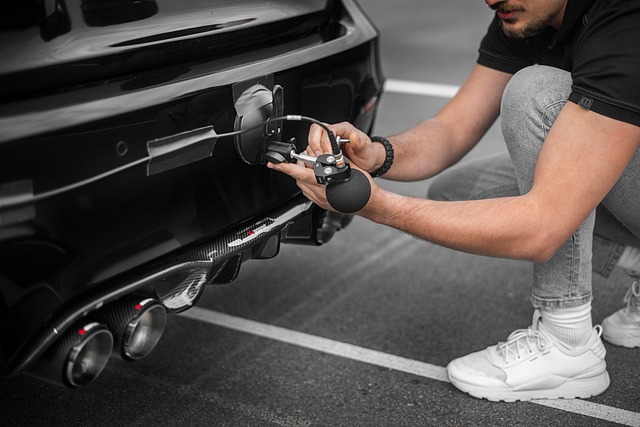
After completing your vehicle’s purchase, the next step in registering your car in California involves paying the necessary fees and receiving your registration papers. This process is a critical aspect of legalizing your vehicle for road use within the state. The California Department of Motor Vehicles (DMV) requires several specific documents and fees to ensure accurate record-keeping.
One crucial element in this phase is VIN verification, which serves as a unique identifier for every vehicle. You may opt for traditional vin inspection at a DMV office or explore convenient alternatives like mobile vin verification services. These services send a specialist to your location to perform the vin check, saving you time and effort. For instance, mobile vin inspection can be particularly beneficial for those with busy schedules or physical limitations, ensuring accessibility throughout the registration process.
Upon successful VIN verification, you’ll be directed to pay the registration fees, which vary based on vehicle type and age. It’s essential to present valid documentation, including proof of identity, ownership, and insurance. Once all requirements are met, the DMV will issue your registration papers, allowing you to legally operate your car in California. Remember that timely renewal is crucial to avoid penalties, so ensure you stay updated with the state’s guidelines for registration maintenance.
Registering a car in California involves a straightforward process that requires careful preparation and attention to detail. By compiling the necessary documents, visiting the local DMV office, completing application forms, and conducting crucial VIN verification, individuals can ensure their vehicle’s registration is accurate and up-to-date. Paying the required fees concludes the process, resulting in the receipt of official registration papers. Following these steps ensures a smooth experience, confirming California’s commitment to maintaining an efficient and secure vehicle registration system.