

Looking to register your car in California? This comprehensive guide walks you through the entire process, from understanding key requirements to submitting your application. We’ll break down the essential steps, including gathering all necessary documents and performing a crucial VIN verification step by step. Learn how to choose the right registration class for your vehicle and pay the associated fees. Master the art of California car registration with our expert tips.
- Understand California Vehicle Registration Requirements
- Gather Necessary Documents for Car Registration
- Perform VIN Verification: Steps & Importance
- Select an Appropriate Registration Class for Your Vehicle
- Submit Application and Pay Fees for Car Registration
Understand California Vehicle Registration Requirements

Before registering your car in California, it’s crucial to understand the state’s specific requirements for vehicle registration. One key aspect is ensuring accurate and up-to-date information, including a valid Vehicle Identification Number (VIN) verification. This process confirms the authenticity of your vehicle’s details and is essential for smooth registration.
In California, you’ll need to provide proof of identity, residency, and ownership. Additionally, your vehicle must pass an emissions test in most areas. A mobile VIN verification service can simplify this process by offering a convenient, on-site inspection. These services use advanced technology to cross-check your vehicle’s information against state databases, ensuring all details are accurate and up to code for registration.
Gather Necessary Documents for Car Registration

Before heading to the California Department of Motor Vehicles (DMV) or any registered agent, ensure you have all the required documents for car registration. The process begins with a thorough vin verification—a crucial step that involves checking your vehicle’s unique identifier, known as the Vehicle Identification Number (VIN). This number is typically found on the driver’s side of the dashboard or in the door jamb. Accurate VIN data is essential for identifying your vehicle during the registration process.
Gathering all necessary paperwork early on saves time and effort later. You’ll need current registration documents from your previous state, a valid driver’s license, proof of insurance, and a vin inspection report from a certified mobile vin verifier (if applicable). Additionally, have a copy of the purchase agreement or bill of sale ready to ensure a smooth transition during the registration process in California.
Perform VIN Verification: Steps & Importance
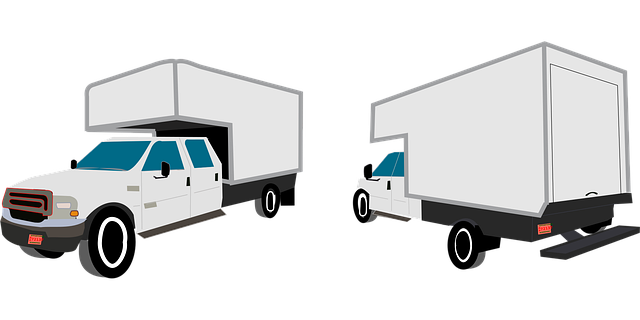
Before you register your car in California, it’s crucial to perform a Vehicle Identification Number (VIN) verification. This process ensures that the vehicle is as described and has not been reported stolen or had its identity altered. The VIN, a unique 17-character code, serves as a digital fingerprint for your car, making it an essential step in the registration process.
To initiate this verification, you can either visit a California Department of Motor Vehicles (DMV) office or opt for a convenient mobile vin inspection service. A mobile vin verifier can conduct the check at your location, saving you time and effort. The steps are straightforward: provide your VIN to the verifier, who will then cross-reference it against national databases to ensure its authenticity and history. This simple step is a game-changer in ensuring a smooth and legal registration process for your vehicle in California.
Select an Appropriate Registration Class for Your Vehicle
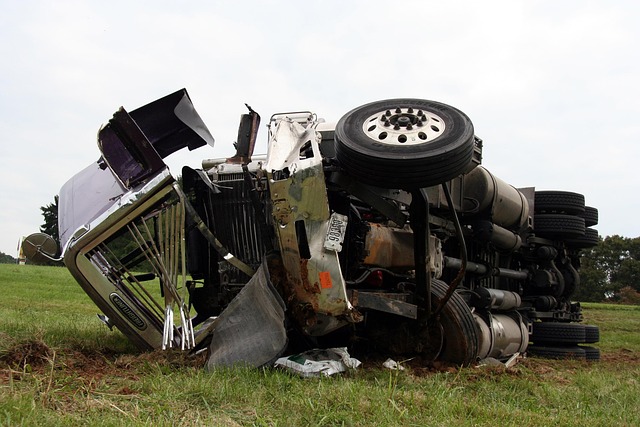
When registering your car in California, selecting the right registration class is a crucial step. Different types of vehicles require specific classifications, which determine the fees and documentation needed. The key factor in this process is completing a vin verification – a critical procedure that ensures the authenticity of your vehicle’s unique identification number (VIN). This involves checking the VIN against official databases to confirm its validity and history.
For personal vehicles, you’ll typically choose between classes based on factors like age, fuel efficiency, and emissions standards. A vin inspection is usually required for this process, which can be conveniently conducted by a mobile vin verifier. Commercial vehicles may have distinct classifications with additional requirements, such as safety inspections or special permits. Always consult the California Department of Motor Vehicles (DMV) guide to ensure accurate classification and a smooth registration experience.
Submit Application and Pay Fees for Car Registration

After completing your vehicle’s inspection, the next step is to submit your application and fees for car registration. This process involves gathering essential documents and providing accurate information about your vehicle and ownership details. You’ll need to fill out a California Vehicle Registration Application (DMV Form 140), which can be done online or at a local DMV office. Make sure to include the Vehicle Identification Number (VIN) during this process as it’s crucial for identifying your car.
The fees associated with registering your vehicle vary based on factors like the type of vehicle and its age. You can pay these fees by cash, check, or debit/credit card. Once submitted, the DMV will conduct a vin verification to ensure the information provided aligns with their records. This process helps maintain accurate vehicle documentation and ensures compliance with California’s registration requirements.
Registering a car in California involves understanding specific requirements, gathering essential documents, and completing crucial steps like VIN verification. By following these straightforward procedures—including selecting the right registration class and paying applicable fees—you can ensure your vehicle is legally registered, enhancing both your driving experience and adherence to state regulations. Remember, proper registration is key to enjoying a seamless and lawful journey on California’s roads.