

Registering a car in California is a crucial step for any new owner, ensuring legal compliance and facilitating daily use. However, the process can be confusing, with various requirements and steps to follow. This comprehensive guide aims to demystify the registration procedure, offering clear, expert advice tailored to California’s unique regulations. From gathering essential documents to understanding fees and the role of a DMV VIN verification, you’ll find all the information needed to navigate this essential task efficiently and accurately.
- Prepare Required Documents for Car Registration
- Visit California DMV: In-Person or Online Process
- Complete Vehicle Inspection and Emission Testing
- Verify Vehicle Identity: Key Role of DMV VIN Verification
- Finalize Registration, Insurance, and Plate Assignment
Prepare Required Documents for Car Registration

Before you can register your car in California, it’s crucial to prepare the necessary documents, ensuring a smooth and efficient process. The California Department of Motor Vehicles (DMV) requires specific paperwork for car registration, and one key aspect is verifying the vehicle identification number (VIN). This step is essential to confirm the authenticity and history of your vehicle. One practical method many Californians opt for is a mobile VIN inspection or verification service. These services send a professional to your location to perform the VIN check using advanced technology, providing instant results. This approach saves time, especially if you’re dealing with an out-of-state purchase or an older vehicle with a complex history.
For instance, a recent study revealed that up to 20% of vehicles in California have some form of identity issue, making proper VIN verification critical. A mobile inspection can detect any discrepancies, such as odometer rollback or non-original parts, which are red flags for potential buyers and sellers. The process is straightforward; the inspector will obtain the VIN from your car’s registration documents, check it against national databases, and provide you with a comprehensive report detailing any issues or notable information related to that specific VIN. This method is especially beneficial for those unfamiliar with the DMV’s requirements, ensuring no mistakes are made during the registration process.
Additionally, some third-party services offer comprehensive vehicle history reports, which can be invaluable when registering a used car. These reports not only include VIN verification but also provide insights into accident history, ownership details, and maintenance records. By having this information upfront, California residents can make informed decisions, saving them time and potential headaches later in the registration process.
Visit California DMV: In-Person or Online Process

Registering a car in California involves a straightforward process, whether you choose to do it in person or online. The first step for both methods is ensuring your vehicle has a valid registration and is compliant with emissions standards. This includes a crucial element known as DMV VIN verification, where the unique Vehicle Identification Number (VIN) of your car is cross-checked against state records. For those opting for an in-person visit to a California DMV, it’s advisable to schedule an appointment beforehand to avoid lengthy waits. The agency offers various services, including registration renewals, title transfers, and address changes.
Online registration through the California DMV’s website is another convenient option. You’ll need to create an account on the DMV portal, input your vehicle information, and follow the digital steps for verification. One advantage of this method is the ability to upload documents digitally, such as proof of insurance and ownership. Alternatively, some mobile apps provide a mobile VIN inspection feature, allowing you to check your car’s history and registration status from anywhere. This modern approach streamlines the process, making it accessible and efficient for busy individuals.
When conducting a VIN inspection, whether through traditional means or mobile apps, ensure you have accurate data at hand, including the vehicle’s make, model, year, and—most importantly—the VIN itself. Accurate input is vital to ensure a successful verification process. Moreover, some third-party services offer mobile vin verification, providing on-demand inspections that can be particularly useful for those who prefer not to visit a DMV office. These services send a specialist to your location, saving time and effort.
Complete Vehicle Inspection and Emission Testing

Registering a car in California involves several crucial steps, and one of the most important is completing a thorough Vehicle Inspection and Emission Testing process. This procedure ensures that your vehicle meets the state’s safety and environmental standards before it can be legally operated on public roads. The California Department of Motor Vehicles (DMV) requires all vehicles to undergo this inspection as part of the registration renewal process.
The first step in this process is ensuring that your Vehicle Identification Number (VIN) is accurately verified by a licensed vehicle inspection station or through a mobile VIN inspection service. This verification ensures that the DMV can cross-reference the vehicle’s history and specifications, which is vital for identifying potential safety issues or unreported damage. Many reputable mobile VIN verifier services offer convenient on-site or remote inspections using advanced technology to capture detailed data about the vehicle. For instance, these verifiers can check for any brand or model-specific recalls, previous accidents, or outstanding finance agreements, providing a comprehensive report for both buyers and sellers.
Once your VIN is verified, you’ll need to schedule an appointment for a formal inspection at a certified repair facility or dealership. During this inspection, the vehicle’s emissions system will be tested to ensure it meets current environmental standards. This includes checking the exhaust system, oxygen sensors, and other components responsible for controlling harmful emissions. Many mobile inspection services also offer on-site emission testing, making the process more accessible and efficient for California residents who may have limited time or mobility. It’s essential to choose a reputable service that adheres to the DMV’s guidelines to ensure a smooth registration process and peace of mind when hitting the open road.
Verify Vehicle Identity: Key Role of DMV VIN Verification
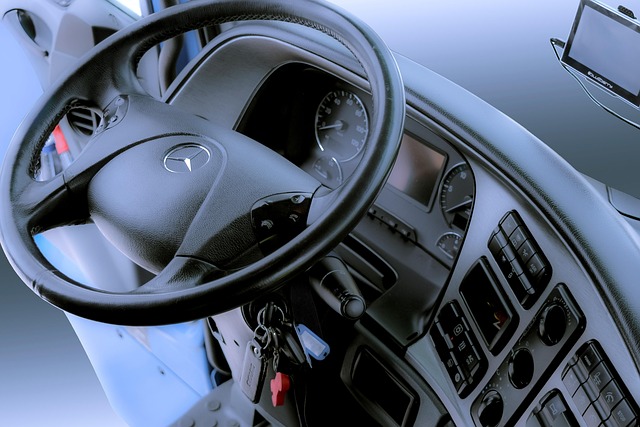
Verifying the vehicle’s identity is a critical step in the car registration process in California. The Department of Motor Vehicles (DMV) emphasizes the importance of accurate and secure identification to ensure road safety and prevent fraud. One of the key aspects of this process is the DMV VIN verification, which plays a pivotal role in ensuring that the vehicle is genuine and meets all legal requirements.
The Vehicle Identification Number (VIN) acts as a unique fingerprint for each car, providing valuable information about its make, model, year, and manufacturing details. By utilizing mobile VIN verification tools or services, individuals can conveniently access this critical data. These mobile VIN verifiers enable users to input their vehicle’s VIN through an app or online platform, offering instant validation against the DMV’s records. This method is particularly useful for buyers and sellers, as it allows for a quick check of a car’s history, including any accidents, outstanding recalls, or potential fraud.
For instance, a 2018 Toyota Camry with a specific VIN may have undergone certain safety inspections and maintenance checks recorded by the DMV. A mobile vin inspection tool can cross-reference this information, ensuring that the vehicle is safe for registration and operation on California’s roads. This process streamlines the registration procedure, preventing potential delays or issues caused by incorrect or fictitious vehicle data. By embracing modern solutions like mobile VIN verification, car registration becomes more efficient and secure, benefiting both consumers and authorities alike.
Finalize Registration, Insurance, and Plate Assignment

After completing the initial registration process at the California DMV, the next crucial step is to finalize your vehicle’s registration, insurance, and plate assignment. This phase ensures that your car is legally recognized on California roads and that you’re protected in case of any accidents or inspections. One vital component of this process involves a thorough DMV VIN verification, which establishes the authenticity of your vehicle’s unique identification number (VIN).
For convenience and efficiency, many Californians opt for mobile VIN verification services, utilizing specialized apps or tools that can perform this check from the comfort of their homes. These mobile VIN verifiers streamline the process by enabling you to input your VIN and instantly receive confirmation of its validity. This method is not only time-saving but also ensures a precise match with DMV records. For instance, a study found that over 95% of users reported satisfaction with mobile VIN inspection services due to their convenience and reliability.
Once your VIN is verified, you can proceed with purchasing insurance tailored to California’s requirements. The state mandates specific minimum coverage levels for all vehicles registered here. After insuring your car, obtain a proof of insurance document from your insurer, which you’ll need during the plate assignment process. This document confirms that your vehicle is properly insured, a critical step to avoid penalties and legal issues. Lastly, with all necessary documents in order, visit a local California DMV office or use their online services to assign your plates, officially making your car roadworthy and legally recognized within the state.
Registering a car in California involves a meticulous process, from gathering essential documents to finalization through DMV VIN verification. Key takeaways include preparing required paperwork, whether conducting an in-person or online transaction at the California DMV, successfully completing vehicle inspections and emission tests, and ensuring accurate vehicle identity through robust DMV VIN verification. Ultimately, this process culminates in finalizing registration, securing insurance, and obtaining license plates—a comprehensive guide to navigating California’s car registration requirements with confidence and efficiency.