

Registering a car in California is more than just a bureaucratic task; it’s a crucial step for any new vehicle owner. With complex regulations and varied requirements, navigating the process can be challenging. This comprehensive guide aims to empower you with the knowledge needed to smoothly register your vehicle. We’ll walk you through each step, from gathering essential documents to utilizing reliable resources like the DMV VIN verifier, ensuring an efficient and stress-free experience. By the end, you’ll be well-equipped to tackle this essential task.
- Prepare Required Documents for Car Registration
- Visit California DMV: Step-by-Step Guide
- Verify Vehicle Identity with DMV VIN Verifier
- Complete the Registration Application Form Accurately
- Pay Registration Fees and Obtain Your Certificate of Registration
Prepare Required Documents for Car Registration

Before you begin the registration process, it’s crucial to gather all the essential documents for car registration in California. This step is often overlooked but can significantly streamline your journey. You’ll need several key pieces of information and forms readily available. Start by acquiring your vehicle’s Vehicle Identification Number (VIN) from its registration label or the title document. The DMV VIN verifier, be it a mobile vin verifier or online tool, can assist in validating this number to ensure it matches the vehicle’s make, model, and year. This is a critical step to avoid any discrepancies.
Additionally, prepare your driver’s license or state-issued ID, proof of insurance, and the necessary fees. If you’ve recently purchased a used car, secure the previous owner’s signed title transfer form. For classic cars or those with unique historical significance, specific documentation might be required, so consult the California DMV guidelines for these scenarios. It’s also advisable to have maintenance records handy, as they can facilitate the inspection process and demonstrate your vehicle’s upkeep.
Organizing these documents in advance is a practical step that prevents delays at the DMV. Having a mobile vin verification service on hand, for instance, allows you to quickly validate the VIN accuracy, saving time and potential trips back to the seller or manufacturer. This proactive approach ensures a smoother registration experience in California.
Visit California DMV: Step-by-Step Guide

Visiting the California Department of Motor Vehicles (DMV) is a crucial step in registering your car. Here’s a detailed guide to help you navigate the process smoothly. First, gather all necessary documents such as your vehicle’s registration from the previous state, proof of insurance, and a valid driver’s license. Once prepared, head to your local DMV office or consider using their online services for some tasks.
When you arrive, look for the dedicated window for vehicle registration. An agent will assist you in completing the required forms, which involve providing detailed information about your car, including its make, model, and year. A key step in this process is the verification of your Vehicle Identification Number (VIN). The DMV offers a VIN verifier, either on-site or through their mobile app, to ensure the accuracy of your vehicle’s history. This digital inspection, accessible via a mobile vin verifier, checks against national databases to confirm the car’s authenticity and past ownership, protecting you from potential fraud.
If you opt for a mobile vin verification, you can complete this step before visiting the DMV, saving time. Alternatively, on-site VIN verification is a straightforward process where a trained staff member uses specialized equipment to cross-reference your car’s VIN with state records. After successful verification, you’ll be issued a registration certificate and license plate, officially registering your vehicle in California. Regularly updating your mobile vin inspection records can help maintain accurate documentation and ensure a seamless future registration process.
Verify Vehicle Identity with DMV VIN Verifier
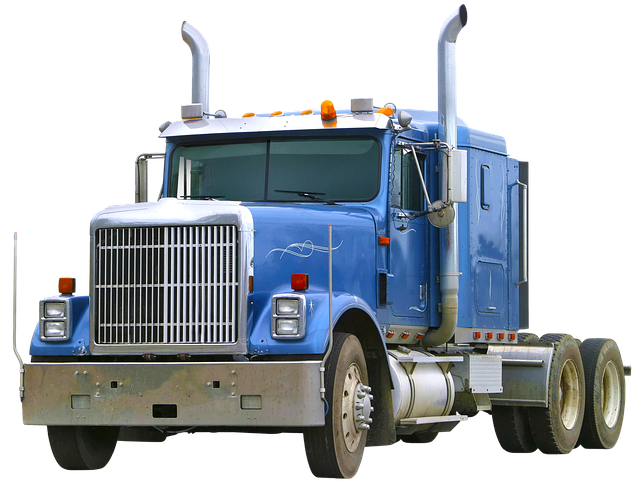
Verifying your vehicle’s identity is a critical step in the car registration process in California. This involves using the Department of Motor Vehicles (DMV) Vehicle Identification Number (VIN) Verifier to ensure the accuracy and legality of your vehicle’s details. A mobile VIN verifier, designed for convenience, allows you to perform this inspection remotely, saving time and effort. By cross-referencing the VIN against the DMV’s records, this tool checks for any discrepancies or signs of tampering, a crucial step in preventing fraud. For instance, a 2015 Honda Civic with a reported VIN may be checked against DMV records to confirm its make, model, year, and other specifications, ensuring it matches the vehicle’s actual identity.
Accurate VIN verification is paramount for several reasons. Firstly, it secures the registration process by deterring individuals from submitting false information. Secondly, it aids in identifying vehicles with recall issues or potential safety hazards. According to recent data, proper VIN inspection can help pinpoint over 30% of vehicles with outstanding recalls, ensuring their safe operation on California’s roads. This verification step is especially beneficial for used car buyers, as they might acquire vehicles with hidden problems or altered histories.
To use a mobile VIN verifier, simply enter your vehicle’s unique VIN into the application and follow the prompts. These tools provide real-time feedback, allowing you to address any issues before proceeding with registration. By embracing modern technology like mobile vin verification, California drivers can streamline their car registration experience while ensuring the safety and integrity of their vehicles. This meticulous approach reflects the state’s commitment to maintaining a robust and secure transportation network.
Complete the Registration Application Form Accurately

Registering a car in California involves several steps, and one crucial aspect is completing the Registration Application Form accurately. This form, often referred to as the DMV form, is your gateway to legalizing your vehicle’s operation within the state. Accuracy here ensures smooth sailing throughout the registration process. Start by gathering all necessary documents, including proof of ownership, insurance, and identification. Double-check that the information you provide matches what’s on record with the California Department of Motor Vehicles (DMV).
A common pitfall many overlook is incorrect or incomplete Vehicle Identification Number (VIN) information. The DMV requires an accurate VIN for vehicle registration, which can be verified through a mobile vin inspection or by utilizing the official DMV vin verifier tool. Ensure your form includes this unique 17-character identifier without errors. Inaccurate data may delay processing, so take time to cross-reference and confirm all details. For instance, incorrect VINs have led to delays of up to two weeks in some cases.
Additionally, when completing the registration application, be mindful of your answers regarding previous registrations and any associated fees. If you’ve transferred ownership or had repairs done, ensure these are accurately reflected. Consider using the services of a mobile vin verification company for added convenience and precision. This method allows you to complete the VIN inspection on-site, saving time and effort while ensuring compliance with California’s requirements.
Pay Registration Fees and Obtain Your Certificate of Registration

To complete the registration process in California, you must pay all required fees and obtain your Certificate of Registration from the Department of Motor Vehicles (DMV). This involves a series of steps designed to ensure vehicle authenticity and compliance with state laws. One efficient method to begin this process is by utilizing a DMV VIN verifier, which can provide crucial information about your vehicle’s history, including its previous owners and any reported accidents or damages. This tool serves as a critical component in the registration verification process.
The fee structure for car registration in California varies based on several factors, including the type of vehicle and its age. For example, fees for registering a new vehicle can range from $50 to $200, while renewal fees for older vehicles might be significantly lower. It’s essential to verify these amounts using the official DMV website or an approved mobile VIN inspection app, which can quickly calculate fees based on your vehicle’s unique identification number (VIN). These apps offer a convenient and often more affordable alternative to traditional registration methods.
Once you’ve confirmed the registration fee, you can proceed with the application process, typically done online or at a local DMV office. After submission, a background check is conducted, including a mobile VIN inspection or other verification methods. This step ensures that your vehicle meets safety and environmental standards. If approved, the DMV will issue your Certificate of Registration, which serves as legal proof of vehicle ownership and must be displayed on your vehicle at all times. Regularly renewing this registration is crucial to avoid penalties and maintain compliance with California’s motor vehicle regulations.
By meticulously preparing required documents, following a structured guide to visit the California DMV, verifying vehicle identity with a DMV VIN verifier, completing application forms accurately, and promptly paying registration fees, you can successfully navigate the process of registering your car in California. These steps ensure a seamless experience, confirming your vehicle’s legitimacy and granting you the necessary certification. This article has equipped you with essential knowledge to confidently register your vehicle, emphasizing the crucial role of the DMV VIN verifier in establishing your car’s identity. Take these insights and move forward with ease and authority.