

Registering a car in California is a vital process that ensures vehicle ownership rights and road safety regulations are upheld. However, navigating the procedures can be daunting for new owners. Many are unfamiliar with the steps required, particularly the crucial role of DMV VIN verification. As an authoritative guide, we demystify this process, offering a clear roadmap to successful car registration in California. Our expert insights ensure you’re equipped with the knowledge to efficiently complete all necessary verifications.
- Gather Required Documents for Car Registration
- Prepare Your Vehicle for DMV Inspection
- Conduct a Comprehensive Vehicle History Check (DMV VIN Verification)
- Submit Applications and Fees at the DMV
- Receive Your Vehicle Registration and License Plate
Gather Required Documents for Car Registration

To register a car in California, you’ll need to gather several key documents. This process is crucial for ensuring your vehicle complies with state regulations and allowing you to legally operate it on public roads. Among these documents, the Vehicle Identification Number (VIN) verification stands out as a critical component. The California Department of Motor Vehicles (DMV) requires a valid VIN verification report to establish the vehicle’s history and authenticity. This process can be streamlined through mobile vin verification services that offer convenience and accuracy.
One essential step is obtaining an odometer reading, which should be noted on official forms alongside the vehicle’s make, model, and year. Additionally, proof of insurance is mandatory, as is a valid driver’s license for the owner or registered operator. If you’re registering a newly purchased car, a bill of sale or purchase agreement will likely be required, along with any applicable sales tax documents. It’s important to ensure all paperwork is up-to-date and accurate to avoid delays in the registration process.
For those considering mobile vin verification services, there are numerous options available that can make this task more manageable. These services often employ advanced technology to conduct a comprehensive digital inspection, including checking against national and local databases for any reported issues or accidents. Some even offer real-time DMV vin verification, ensuring your information is current and accurate. By leveraging these modern tools, you can save time, reduce potential errors, and focus on other aspects of the registration process.
Prepare Your Vehicle for DMV Inspection
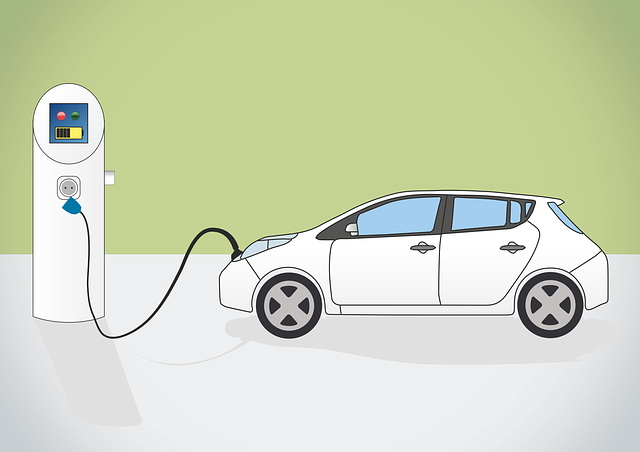
Before you begin the registration process, ensuring your vehicle passes the DMV’s rigorous inspection is paramount. This involves preparing your car to undergo a comprehensive DMV VIN verification—a critical step that confirms the integrity and authenticity of your vehicle’s unique identification number (VIN). It’s essential to understand that this inspection isn’t just about checking for obvious issues; it encompasses a wide range of factors, from mechanical systems to safety features.
For instance, mechanics and trained inspectors will scrutinize key components like brakes, lights, and tires. They’ll also verify the functionality of your vehicle’s electronic systems, including anti-lock braking (ABS) and airbag deployment mechanisms. A mobile VIN inspection or the use of a mobile VIN verifier can offer added convenience, allowing you to complete this preliminary check in the comfort of your own home or even during a test drive. This approach not only saves time but also gives you peace of mind before committing to a potentially lengthy DMV visit.
Remember, an up-to-standard vehicle is crucial for a seamless registration process. By preparing your car and addressing any issues identified during vin inspection, you’re setting yourself up for a successful transaction at the California DMV. This proactive approach ensures that your vehicle not only meets legal requirements but also demonstrates its overall reliability and safety.
Conduct a Comprehensive Vehicle History Check (DMV VIN Verification)

Before registering your car in California, conducting a comprehensive vehicle history check is mandatory. This process involves a meticulous examination of the vehicle’s past, ensuring its integrity and legal status. The primary tool for this verification is the DMV VIN (Vehicle Identification Number) inspection, commonly known as DMV VIN verification. This step is crucial to protect consumers from purchasing vehicles with hidden issues or stolen parts.
During the DMV VIN verification process, you’ll need to provide your vehicle’s unique VIN to the California Department of Motor Vehicles (DMV). They will then cross-reference this number against their databases to access a detailed history report. This report includes information on previous owners, accident records, maintenance records, and any reported thefts. It’s essential to ensure that the vehicle you’re registering has an unaltered VIN and hasn’t been tampered with, which is where mobile VIN inspection services come into play. Mobile VIN verifiers offer a convenient and efficient way to conduct this check by providing on-site verification using advanced technology.
For instance, some mobile VIN verification services employ specialized software that connects directly to national databases, allowing for quick and accurate assessments. This method is particularly beneficial for those who purchase vehicles privately or from out-of-state dealers. According to recent studies, up to 10% of cars sold in California have discrepancies in their history reports, highlighting the importance of these checks. By utilizing mobile VIN inspection services, you can streamline the registration process and gain peace of mind knowing that your vehicle’s history is authentic.
Before scheduling a DMV VIN verification or using a mobile vin verifier, ensure that all required documents are in order. This includes proof of ownership, insurance, and identification. Additionally, be prepared to answer questions about any modifications made to the vehicle. By following these steps and conducting thorough checks, you’ll ensure a smooth registration process for your new (or used) California vehicle.
Submit Applications and Fees at the DMV

To complete the registration process in California, you’ll need to submit your applications and fees at the Department of Motor Vehicles (DMV). This crucial step involves ensuring that all required documents are accurate and up-to-date, including proof of insurance, vehicle ownership, and identification. One efficient method to streamline this process is by utilizing the DMV’s online services or scheduling a visit to one of their many field offices.
If you opt for in-person submission, be prepared with several key documents. These typically include your vehicle’s registration renewal application, a completed SMV2 form (for title transfer), and proof of identification such as a driver’s license or state ID card. Additionally, the DMV will conduct a Vehicle Identification Number (VIN) inspection to verify the vehicle’s integrity and history. This is where mobile VIN inspection services can prove invaluable—they offer convenient, on-site verification, ensuring a smoother process for both you and the DMV staff.
Fees associated with registration vary based on your vehicle type and specific circumstances. Payment methods accepted include cash, check, and debit or credit cards. Once all documents are processed, including successful DMV VIN verification, you’ll receive your new registration papers and license plates. This step is essential to ensure your vehicle complies with California’s legal standards and allows you to legally operate your vehicle on public roads.
Receive Your Vehicle Registration and License Plate

Once you’ve completed your vehicle’s registration application at the California Department of Motor Vehicles (DMV), it’s time to receive your official documents. This involves securing your vehicle registration and license plate, which are crucial for legal operation on California roads. Upon submission of your application, the DMV will conduct a thorough vin inspection to verify the vehicle’s identity and history. This process is typically carried out through mobile vin verification, ensuring convenience and speed.
Within 20 business days, you should receive your registration certificate and license plates. The DMV will mail these documents to the address listed on your application. It’s essential to keep this mailing safe, as it contains critical information required for future interactions with the DMV. Additionally, some California residents opt for a mobile vin inspection service, which allows for a quicker turnaround time compared to traditional methods.
Upon receipt, carefully review your registration documents for any discrepancies. Ensure that the vehicle identification number (VIN) is accurately represented on both your registration and license plates. If you identify any issues or have concerns about your vin verification, it’s advisable to promptly contact the DMV for clarification or correction. Proper documentation is key to maintaining compliance with California’s motor vehicle regulations.
Registering a car in California involves several crucial steps outlined in this comprehensive guide. By gathering all necessary documents, preparing your vehicle for inspection, conducting a thorough DMV VIN verification, and submitting applications with the appropriate fees, you ensure a smooth process. This authoritative article equips readers with the knowledge to navigate these requirements effortlessly, emphasizing the significance of each step, especially the dmv vin verification, for a successful car registration. Take action now and follow these steps to complete your vehicle registration promptly and accurately.