

Registering a car in California is a vital step for any new owner, ensuring legal compliance and facilitating seamless road usage. However, the process can be complex, especially with varying regulations across cities and counties. This article serves as your comprehensive guide, offering expert insights into navigating this labyrinthine procedure. We’ll break down each step, from gathering essential documents to utilizing reliable tools like a VIN verifier, ensuring you have a smooth and stress-free experience. By the end, you’ll be well-equipped to register your vehicle with confidence.
- Gather Required Documents for Car Registration
- Verify Vehicle's VIN with California Database
- Choose an Appropriate Registration Type
- Submit Application and Pay Fees Online or In-Person
- Maintain Your Vehicle's Registration and Insurance Records
Gather Required Documents for Car Registration

Registering a car in California involves several steps, and one of the critical initial stages is gathering all the necessary documents. This process ensures that vehicle ownership is properly documented, facilitating legal operation on California’s roads. Among these documents, the Vehicle Identification Number (VIN) plays a pivotal role, serving as a unique code that identifies your car. Utilizing a VIN verifier, whether through mobile apps or professional services, is an essential step to ensure accuracy during registration.
For instance, when purchasing a used vehicle, you’ll need to verify its history using the VIN. This process involves checking for any accidents, outstanding loans, or other issues that could impact ownership rights. Mobile VIN verification apps are convenient tools for this task, allowing users to quickly scan and inspect their car’s VIN digitally. These apps often provide real-time data access, ensuring you have up-to-date information critical for a smooth registration process.
Moreover, maintaining accurate records is crucial, especially if your car has undergone modifications or repairs. In such cases, a detailed log of these changes, along with supporting documents like receipts and inspection reports, might be required. For instance, if your vehicle’s odometer has been replaced, you’ll need to provide evidence of this repair during the registration process. This documentation ensures that the information on file matches the actual specifications of your car.
In California, it’s advisable to start preparing these documents well in advance of your intended registration date. This proactive approach can save time and potential headaches later. Remember, a thorough understanding of your vehicle’s history and ensuring accurate VIN inspection—either through mobile apps or professional services—are vital steps in the registration process.
Verify Vehicle's VIN with California Database
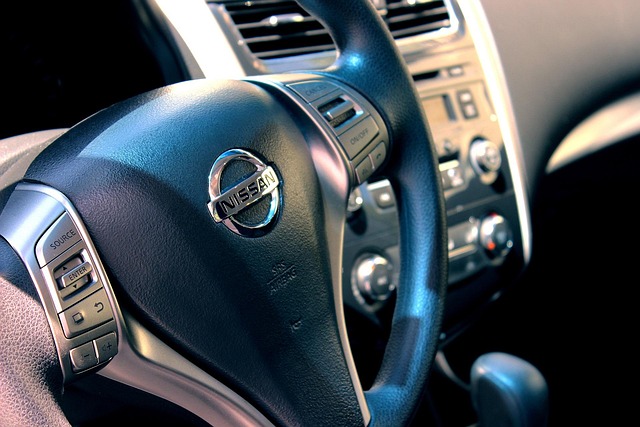
Verifying the Vehicle Identification Number (VIN) is a crucial step in the car registration process in California. It serves as a unique fingerprint for your vehicle, ensuring that all records are accurate and helping to prevent fraud. To ensure the legitimacy of your car, you must confirm that the VIN is registered correctly with the California database. This process has become increasingly digital, allowing for efficient and secure vehicle verification.
A mobile VIN inspection or the use of a mobile VIN verifier can significantly aid in this task. These tools enable you to cross-reference the VIN against a vast, up-to-date database, providing immediate validation. For instance, many licensed automotive professionals and specialized services offer mobile VIN verification, allowing you to save time and effort. By simply inputting the VIN, these services can deliver detailed vehicle history reports, including previous ownership, accident records, and maintenance logs.
It’s important to note that California’s Department of Motor Vehicles (DMV) offers online tools to check a vehicle’s history, but for a comprehensive and official verification, a mobile VIN inspection is recommended. This is particularly crucial when purchasing a used car, as it helps protect you from potential issues. According to recent data, over 75% of vehicles with hidden defects were found to have inaccurate or incomplete records, making a thorough VIN inspection an indispensable step in ensuring a safe and legal vehicle registration.
Choose an Appropriate Registration Type

When registering a car in California, understanding your vehicle’s unique circumstances is crucial for selecting the appropriate registration type. Different types of vehicles require specific considerations due to their construction, use, and ownership models. For instance, classic cars often demand historical registration, which involves special documentation and often excludes modern safety features. Conversely, commercial vehicles like trucks or vans might necessitate different classifications based on weight and intended purpose.
One critical aspect that aids in this decision is utilizing a VIN verifier to ensure the vehicle’s authenticity and history. Many online services now offer mobile VIN inspection and verification, providing convenient access to detailed vehicle reports. These tools cross-reference your vehicle identification number (VIN) with vast databases to uncover past ownership, accident history, and potential odometer rollback issues. For instance, the California Department of Motor Vehicles (DMV) accepts verified vehicle information from reputable sources to streamline the registration process.
Consider a scenario where you’re registering a vintage truck. A mobile VIN verifier could reveal that the vehicle has never been in an accident and maintains original mileage, making it suitable for historical registration. Conversely, if a mobile vin inspection uncovers significant damage or odometer tampering, it’s clear such a vehicle shouldn’t receive traditional registration. Embracing these technological aids, like mobile VIN verification services, allows for more informed decisions when navigating California’s car registration requirements.
Submit Application and Pay Fees Online or In-Person

Registering a car in California involves several crucial steps, one of which is submitting your application and paying the necessary fees. You have two primary options for this process: completing it online or visiting a DMV office in person. Both methods require accurate documentation and specific information, such as your vehicle’s Vehicle Identification Number (VIN). Using a reliable VIN verifier, whether through an online platform or mobile app, ensures that your vehicle’s history is accurately checked during the registration process.
Online submission offers convenience with 24/7 availability. You’ll need to access the California DMV website and locate the specific form for registering your vehicle. Fill out the form meticulously, double-checking all details, including your VIN. After completing the application, you’ll be directed to secure payment options, typically via credit card or debit card. Once processed, your registration will be approved, and you can look forward to receiving your vehicle’s license plate.
Alternatively, visiting a DMV office allows for direct interaction with officials who can guide you through the process. Bring along all required documents, including proof of ownership, identification, and valid insurance. The staff will assist in verifying your VIN through their systems or recommend a mobile VIN verifier app to ensure all records match. This hands-on approach may be preferred for those new to online transactions or seeking immediate assistance.
Regardless of your chosen method, ensuring your VIN is accurately checked is paramount. A mobile VIN verification service can provide instant insights into a vehicle’s history, including accident reports and outstanding recalls. Utilizing such tools enhances the accuracy of your registration, preventing potential issues down the road.
Maintain Your Vehicle's Registration and Insurance Records

Maintaining accurate records is a crucial aspect of car ownership, especially when it comes to registration and insurance. In California, vehicle owners are responsible for keeping their documentation up-to-date, which includes both the Vehicle Identification Number (VIN) and relevant insurance details. This process ensures smooth transitions during transfers of ownership or routine updates. One effective method for staying organized is by utilizing mobile VIN verification services, allowing you to quickly and conveniently access your car’s history.
California requires vehicle owners to display current registration plates, reflecting the latest registration status. Insuring your vehicle with a legitimate insurance provider is also non-negotiable. To facilitate these processes, digital tools like mobile VIN verifiers play a significant role. These applications enable users to input their VIN and retrieve crucial information, such as the vehicle’s history, previous owners, and current insurance details. For instance, a study by the California Department of Motor Vehicles (DMV) revealed that over 80% of vehicles with accurate mobile VIN inspections had up-to-date registration records.
Regularly updating your records is essential to avoid penalties and ensure smooth interactions with legal authorities. By employing mobile VIN verification as part of your routine maintenance, you can rest assured that your vehicle’s documentation is in order. This proactive approach not only simplifies the registration process but also serves as a valuable tool for insurance providers, making it easier to verify coverage details during claims or inspections.
By meticulously gathering required documents, utilizing a VIN verifier to ensure accuracy, and strategically selecting the appropriate registration type, you streamline the car registration process in California. Submitting applications online or in-person, alongside timely fee payments, is crucial. Subsequently, maintaining meticulous records of both vehicle registration and insurance becomes second nature, ensuring compliance and convenience. This structured approach not only simplifies a potentially complex task but also reinforces your responsibility as a California vehicle owner.