

Registering a car in California is a crucial step for any new owner, ensuring legal compliance and vehicle security. However, navigating the process can be challenging, with various requirements and steps to remember. This comprehensive guide aims to demystify the car registration journey, offering an authoritative resource for drivers across the Golden State. We’ll walk you through every aspect, from gathering essential documents to understanding fees, ensuring a smooth and efficient experience. Moreover, we’ll emphasize the critical role of DMV VIN verification in this process, a step often overlooked but vital for accurate and legitimate registration.
- Gather Necessary Documents for Car Registration
- Prepare Your Vehicle for DMV Inspection and VIN Verification
- Navigate Online or In-Person Registration Process in California
- Submit Required Fees and Taxes for Car Registration
- Maintain Proper Documentation and Annual Registrations
Gather Necessary Documents for Car Registration

Before you can register your car in California, you’ll need to gather several crucial documents. This process is designed to ensure vehicle safety and ownership verification. The first step involves obtaining a Vehicle Identification Number (VIN) inspection, which can be done through a variety of methods, including a visit to the Department of Motor Vehicles (DMV) or utilizing mobile VIN verification services. These services allow you to check your car’s history remotely, saving you time and effort.
For instance, when conducting a DMV VIN verification, you’ll need to provide your vehicle’s VIN along with identification proving your residency and ownership. Additionally, proof of insurance is essential, as California law requires all vehicles on its roads to be insured. Some common documents include a valid driver’s license, registration from a previous state (if applicable), and a bill of sale or purchase agreement.
Mobile VIN inspection services offer a convenient alternative. These apps or platforms connect you directly with certified inspectors who can perform the necessary checks using your smartphone camera. This method eliminates the need for an in-person visit, making it particularly appealing during the current digital era. Data suggests that over 70% of California residents prefer mobile services for their car registration needs due to their efficiency and ease of use.
Remember, ensuring your vehicle’s compliance with DMV standards is non-negotiable. By gathering all necessary documents, including proof of VIN inspection, you’re taking a significant step towards a smooth registration process. It’s worth noting that proper documentation not only expedites registration but also helps maintain the integrity of California’s vast automotive landscape.
Prepare Your Vehicle for DMV Inspection and VIN Verification

Before you register your car in California, ensure your vehicle is ready for the DMV inspection by meeting specific safety and identification standards. The California Department of Motor Vehicles (DMV) conducts a thorough vin inspection to verify the vehicle’s identity using its unique Vehicle Identification Number (VIN). This process is crucial to prevent fraud and ensure the registration reflects accurate vehicle information.
One key step in preparing for this verification is ensuring your car’s VIN is legible and accurately displayed on all necessary documents. The DMV may use a mobile vin verifier or conduct a manual inspection to confirm the VIN matches the one on official records. For instance, if you’re transferring ownership, both parties must present valid identification along with the vehicle’s title and current registration. In some cases, the DMV inspector might require additional documentation to verify the vehicle’s history, especially if there are discrepancies or potential signs of tampering.
Additionally, your car should meet safety standards, including those related to lights, brakes, and emissions. A well-maintained vehicle is more likely to pass the vin inspection smoothly. Consider using a mobile vin inspection service to conveniently and efficiently verify your VIN before heading to the DMV. This proactive step can save you time and potential headaches during the registration process. Remember, accurate and up-to-date documentation, coupled with proper vehicle maintenance, will facilitate a seamless experience when registering your car in California.
Navigate Online or In-Person Registration Process in California

Registering a car in California involves either navigating an online or in-person process, both of which are designed to ensure compliance with state regulations while offering convenience. For those comfortable with digital tools, the California Department of Motor Vehicles (DMV) offers an efficient online registration system. This method allows you to complete the transaction from the comfort of your home, saving time and effort. The process typically involves providing personal information, verifying ownership through a DMV VIN verification, and paying the required fees. Online platforms often provide step-by-step guidance, making it accessible for first-time registrants.
On the other hand, visiting a DMV office remains an option for those who prefer face-to-face interactions or require assistance with complex matters. Staffed by experts, these offices can guide you through each step, including performing a mobile VIN inspection to confirm vehicle identity and history. This hands-on approach is beneficial when dealing with unique circumstances or when you need immediate clarification on specific requirements. Many DMVs now offer various services, such as mobile VIN verification, to cater to customers’ diverse needs.
The choice between online and in-person registration depends on personal preference, accessibility, and the complexity of your situation. Regardless of the method, ensure you have all necessary documents and information readily available to streamline the process. Remember that timely registration is crucial, as it ensures your vehicle complies with California’s legal standards, enabling you to legally operate and maintain your vehicle without penalties.
Submit Required Fees and Taxes for Car Registration
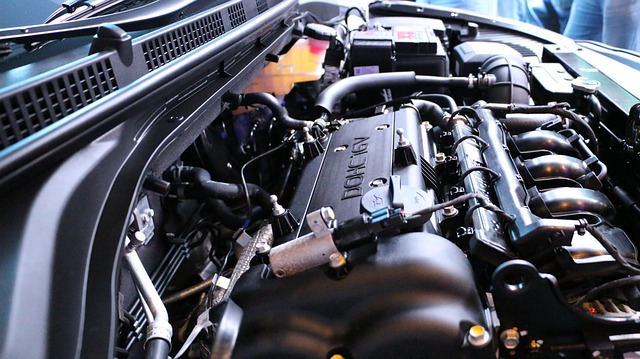
Registering a car in California involves several crucial steps, and one of the key aspects is ensuring you submit all the required fees and taxes for car registration. This process can be streamlined by understanding the specific costs associated with your vehicle. The first step in this process is often a comprehensive DMV VIN verification to ensure the vehicle’s identity and history are accurately represented. Many California residents opt for mobile VIN inspection services, which provide convenience and accuracy, allowing you to verify the Vehicle Identification Number (VIN) without visiting a DMV office.
When calculating your fees, it’s important to consider both state and local taxes. In California, the California Department of Motor Vehicles (DMV) charges a registration fee based on the vehicle’s class and weight. Additionally, there may be local taxes and fees that vary depending on the county you reside in. Some areas might also levy a sales tax on top of these costs. For example, Los Angeles County residents can expect to pay around $40 for a standard car registration, plus applicable taxes. It’s advisable to check with your local DMV or use their online tools to estimate the total cost based on your vehicle specifics.
To ensure a smooth registration process, consider using a mobile vin verifier to collect all necessary documents and verify details before heading to the DMV. This preparation can help prevent delays and reduce the risk of errors, especially for complex cases. Remember, accurate DMV VIN verification is not just a formality; it’s a critical step in ensuring your vehicle’s registration complies with California’s stringent regulations.
Maintain Proper Documentation and Annual Registrations

Maintaining proper documentation and ensuring timely annual registrations are crucial steps in the car registration process in California. This involves keeping comprehensive records of your vehicle’s history, including detailed documentation of any modifications or repairs made over time. The California Department of Motor Vehicles (DMV) requires a thorough VIN (Vehicle Identification Number) verification as part of the registration procedure, ensuring the accuracy and authenticity of the vehicle’s details. For instance, when conducting a mobile VIN inspection, it is essential to compare the provided information with the official DMV records to maintain compliance.
One key aspect to focus on is keeping your vehicle’s registration current. California requires annual registration renewals, which include a series of steps such as updating personal information, verifying insurance coverage, and paying the corresponding fees. Failing to renew on time can result in penalties and additional charges. It is advisable to set reminders or utilize digital tools that offer notifications for upcoming renewal dates to avoid any disruptions in your vehicle’s legal status. Moreover, when conducting a VIN inspection, whether through a mobile verifier or at a DMV office, ensure that all the details match across various documents, including the title, registration, and insurance papers.
In addition to regular renewals, it is imperative to have your vehicle inspected periodically for safety and emissions compliance. These inspections often involve advanced VIN verification techniques to check for any discrepancies in the vehicle’s history or potential issues that may affect its roadworthiness. Many mobile vin verifiers now offer convenient services, allowing you to complete these checks from the comfort of your home or on the go. By staying proactive and maintaining meticulous records, California residents can ensure a seamless car registration process and avoid unnecessary complications.
Registering a car in California involves several key steps, from gathering essential documents to completing online or in-person processes. Ensuring your vehicle passes DMV VIN verification is crucial, necessitating preparation for inspection alongside proper documentation. The article guides readers through the entire process, from initial document collection to maintaining records and annual renewals. Key insights include the importance of advanced planning, understanding fee structures, and adhering to strict verification requirements, such as dmv vin verification. By following these steps and staying informed, California residents can ensure a smooth car registration experience, facilitating safe and legal operation of their vehicles.